
Retail Media is in its nascency in Ireland, but the opportunity is significant and those interested in exploring its potential continue to grow in number.
In November 2025, IAB Ireland published a report authored by Colin Lewis, a retail media thought leader and founder of Retail Media Works, detailing what is required for this huge global growth area of digital advertising to reach its potential in Ireland. It was released as IAB Ireland unveiled its Retail Media Council, a group of industry experts working to prove and shape the standards needed for Irish retail media to thrive.
A year on, the sector in the country is taking shape, with Tesco Media, SuperValu, Musgrave, and Diageo among the businesses in Ireland gaining retail media momentum. And on the 19th of November, IAB Ireland’s IAB Connect event will take place in Dublin, with key areas of focus including the effectiveness and innovation in evolving digital channels such as retail media, as well as the publisher strategies delivering growth.
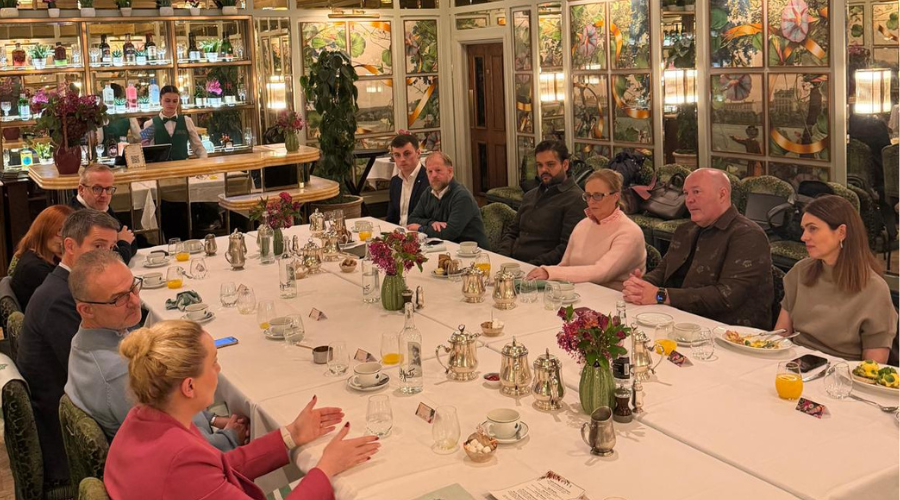
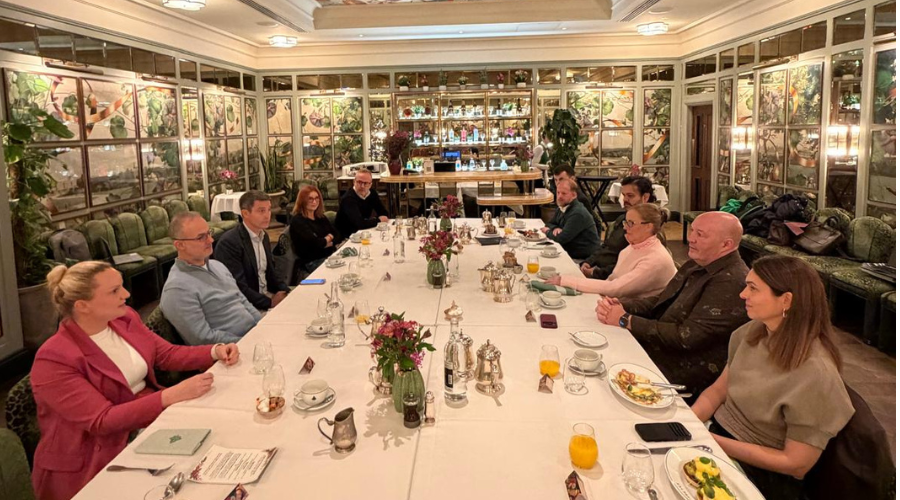
It was against this backdrop that we sponsored a breakfast roundtable in the Irish capital on the 4th of November, hosted by Ben Sillitoe. Representatives of Applegreen, Avoca, Currys Ireland, Ella & Jo, Pamela Scott, and Tesco Group joined Ben and our team, including our managing director for Northern Europe, Dominic West, and Senior Business Development Manager, Andrew Hayes, at The Ivy Dawson Street to chat through Retail Media and new ways to drive revenue in Irish retail.
Under the Chatham House Rule, to ensure everyone could speak anonymously, managing Directors, retail media leads, heads of e-commerce, and other senior marketing leaders discussed what’s shaping the current market. Here’s what we heard.
Building media momentum
Much of the conversation focused on how to build a Retail Media business from scratch. Guests spoke of the importance of creating a dedicated retail media function rather than treating it as a side project.
Attendees discussed how retailers might start with their top ten supplier list and use it to create “the foundations” of a Retail Media business. It was recognised, however, that retailers must be careful not to push existing suppliers too hard, because these are vital partnerships to maintain and foster.
As the IAB report suggests, collaboration is essential for retail media to succeed, and retailers and suppliers need to think about such ventures as “partnerships”. Only then can they start generating the return on investment they have the potential to deliver.
Everyone needs to be talking the same language too, according to the IAB report, and our delegates agreed that different people often mean very different things when they discuss Retail Media.
Those around the table noted that Retail Media comprises ads on digital screens and at the point of sale in stores, but also sponsored ads online, multi-media marketing, and personalised digital promotions fuelled by the customer data retailers have in their armoury. Wrapped up as one, all of this is Retail Media, and retailers should select the areas they feel comfortable operating in before entering all the areas available to them.
One guest highlighted the opportunity presented by non-endemic Retail Media partners. Consumers don’t shop in silos. They need grocery goods, clothing, insurance products, and travel and hospitality options, for example, so retailers have a chance to make retail media work by aligning with advertisers in these spaces, not just with the suppliers whose products they already stock.
It was suggested that this is where real incremental gains can be made. Working with new advertisers drives fresh revenue streams and brand new commercial partnerships.
Keeping the customer coming back
At a roundtable Ben also hosted alongside us in London in October, one brand said the “North Star” in modern retail was first to convert an online shopper to purchase a stocked product, and then to get them to engage with a Retail Media offer. He said this essentially meant the business was getting two revenue streams out of one shopper, which is crucial for building margin in a tough economy.
One retailer in Dublin said the most underutilised spot in customer communication is the post-purchase email, and explained how they use it to encourage shoppers to amend their order if they need to.
“This part of the customer journey is where you can drive loyalty – and we’re also getting some great traction through WhatsApp marketing too,” they explained.
We heard during the discussions that retailers are finding cost-per-acquisition in online retail increasingly expensive, and that the wider industry is “hypercompetitive”. A focus on retaining existing customers therefore has to be high up a retailer’s list of priorities.
Another retailer argued the “only way for multi-brand retailers to survive” today is to develop their own lines of products. Own-brand ranges have always been important for driving retailer margins, they said, but they become critical in a particularly challenging economy.
Value-driven consumers
Delegates also discussed what makes the Irish consumer tick.
Although the general consensus was that shoppers have a strong interest in the Irish provenance of products and a keenness to buy goods made with locally grown or produced materials, the reality is that price and value continue to be the true drivers of spend.
“Price is always the number one concern for consumers, and right now they are keen to find deals,” said one guest.
Another mused: “Irish consumers have a real social conscience when shopping as long as the price is right!”
All agreed that retailers have to do everything they can to keep close to the consumer when it comes to understanding the products they wish to buy, the type of service they want to receive, and the format of retail media that resonates best with them.
The post-purchase opportunity
Our Managing Director for Northern Europe, Dominic West, who joined Ben in Dublin, said: “Retail Media presents retailers with such a huge opportunity for growth, at a time when we’re hearing the industry is fighting to maintain margins and attract discretionary spend.“
“At Webloyalty, we’re part of the retail media landscape. Many retailers, and travel and hospitality companies across Europe, display our banner on their post-transaction pages and emails, leading their customers to a host of attractive subscription-based discounts while rewarding the businesses in question with supplementary revenue streams for doing so.”
He described the post-purchase area as “an underutilised prime digital real estate for retailers”.
“Traditional display advertising and sponsored ads are a central part of Retail Media strategy, but they can interrupt consumers as they go about their day,” West continued.
“On the other hand, post-purchase consumer engagement comes when intent and trust between customer and retailer has already been established and can therefore result in impressive conversion rates. This should be an important consideration as retailers from Ireland – and indeed, all territories – map out their Retail Media plans.”
What our research says about post-purchase monetisation
The roundtable’s focus on the post-purchase moment is backed up by our own Post-purchase Monetisation report, produced with RetailX. We surveyed 1,000 UK consumers and found that nearly 90% are open to post-purchase offers, with 56% saying that offers on confirmation pages make the shopping experience better.
Execution matters, though. A further 35% described post-purchase offers as a good idea that is poorly executed, which reinforces the point that relevance is key to getting this right.
Download the full Post-purchase Monetisation report to see how consumers are engaging with post-purchase offers and how leading retailers are turning the confirmation page into a valuable revenue stream.
For more roundtables, see our Insights page. If you’d like to be part of our next roundtable, contact us and we’ll be in touch.